

History
North Cyprus History
25 October, 2009
Ayia Trias Basilica Mosaics Look for the signs in the village that are directions for Sipahi and follow the road to the site of Ayias Trias. It is encircled by a wire fence and there should be a custodian to […]
26 October, 2009
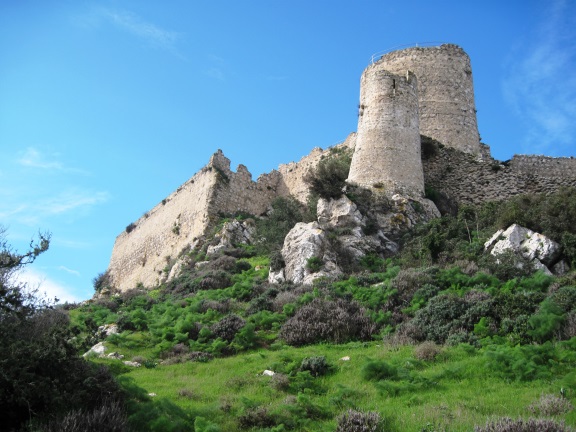
There are many different routes to his castle, all of them involve easy, if slow, drives up the mountain roads to the village of Kantara and from there follow the signs. The documented history of Kantara coincides with that of […]
25 October, 2009
Formerly called Trikomo, this village is inhabited by Turkish Cypriots from the Turkish quarter of Larnaca. Iskele means jetty and when the Turkish Cypriots moved north after partition, they brought the name of their district with them. The village is […]
25 October, 2009
The route to the monastery church of the Panayia Kanakaria is easy. From the main road after Kumyali look for the signs and following the directions to Ziyamet, Gelincik and Kaleburnu. After about two miles the church complex is on […]
5 November, 2009
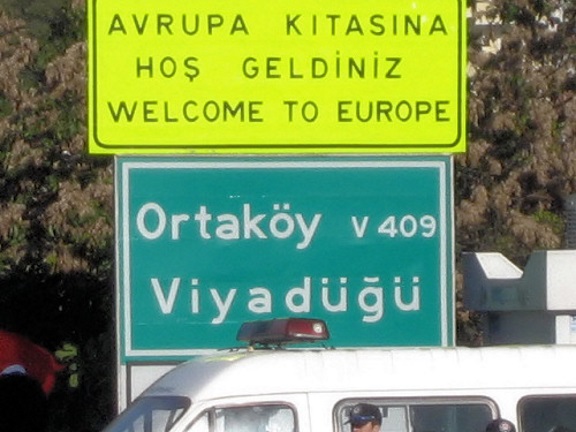
Turkish is spoken by over 63 million people worldwide, and originates from Ottoman Turkish, which dates back nearly 1,200 years. The Ottoman Turkish language was based mainly on Arabic and Persian, but was replaced under one of Ataturk’s reforms in 1928, […]
25 October, 2009
Bellapais Abbey | Kyrenia The Abbey of Bellapais has drawn visitors to the island of Cyprus since medieval times when the abbey was built. From the pilgrims who trod the ancient paths in search of a miracle through to the […]
26 October, 2009
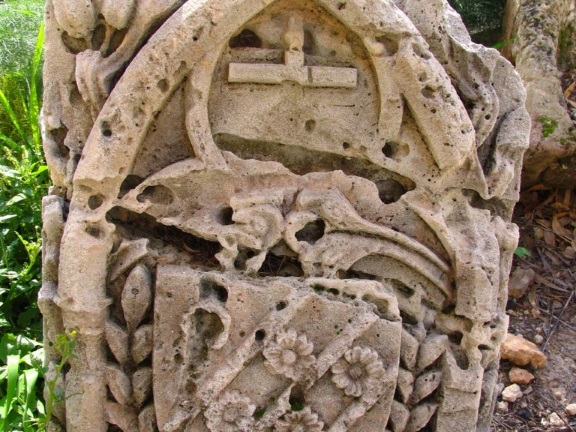
The remains of this copper producing city were first discovered in 1896, but as the first excavations produced evidence of burials, it was thought that this was just an extension of the Salamis necropolis. In the 1930’s it was excavated […]
3 December, 2009
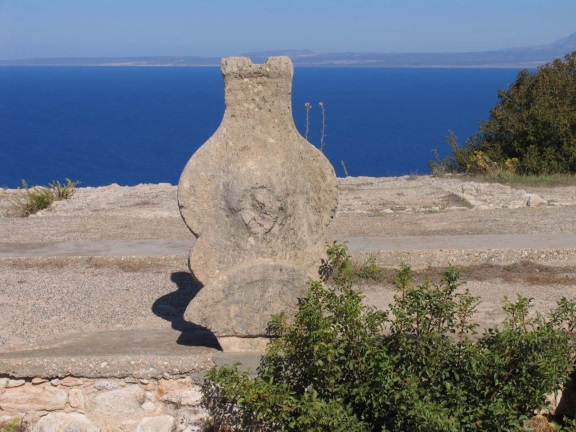
The oriental style cliff-top palace of Vouni was built during Persian dominance by a pro-Persian king of Marion. The strategic position enabled the inhabitants to look down on the city of Soli and had advance warning if the Greek warriors […]
25 October, 2009
The Venetians, wishing to make their own mark on the palace changed the façade of the entrance, extending it outwards, building basket arches and incorporating massive granite pillars imported from the ruined city of Salamis. Over the central arch are […]